What we do
AI-Enabled Infrastructure for Extreme Environments
Tekmara designs and deploys modular infrastructure systems purpose-built for ocean, offshore and remote operations. Our technology stack combines intelligent sensing, localized computing and autonomous decision logic, enabling resilient operations in environments that traditional infrastructure cannot reliably serve.
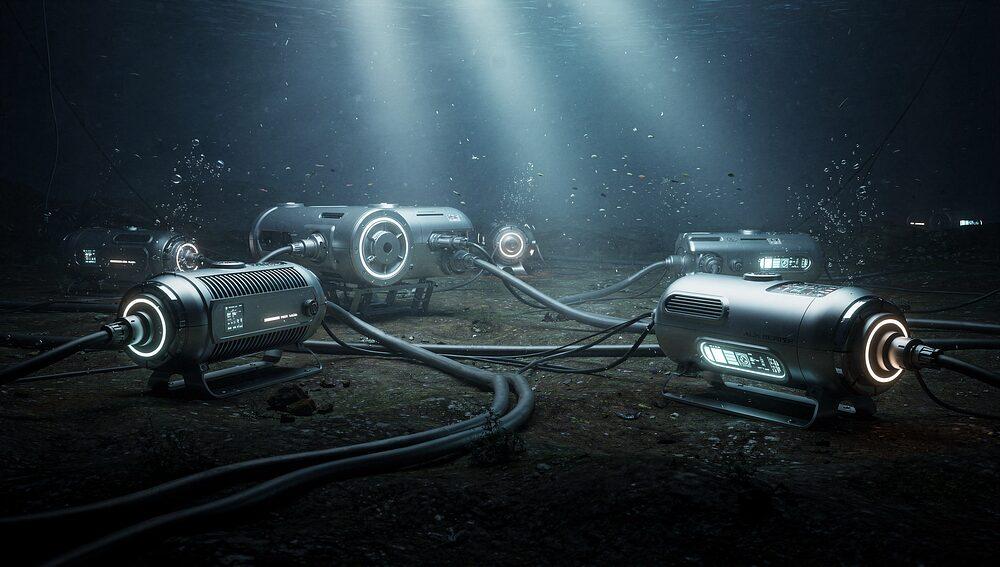
Ocean Infrastructure Systems
Integrated sensing and data infrastructure designed for subsea and offshore deployment at scale.
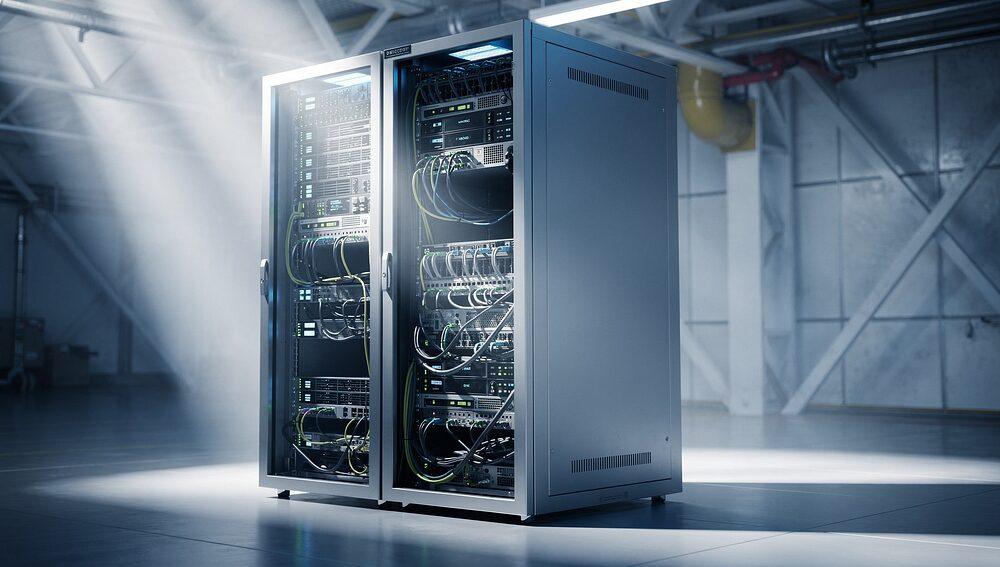
Edge and Subsea Computing
Localized processing built for low-bandwidth, intermittent-connectivity environments.

Autonomous Monitoring Systems
AI-assisted analytics and anomaly detection that keep working without continuous human oversight.
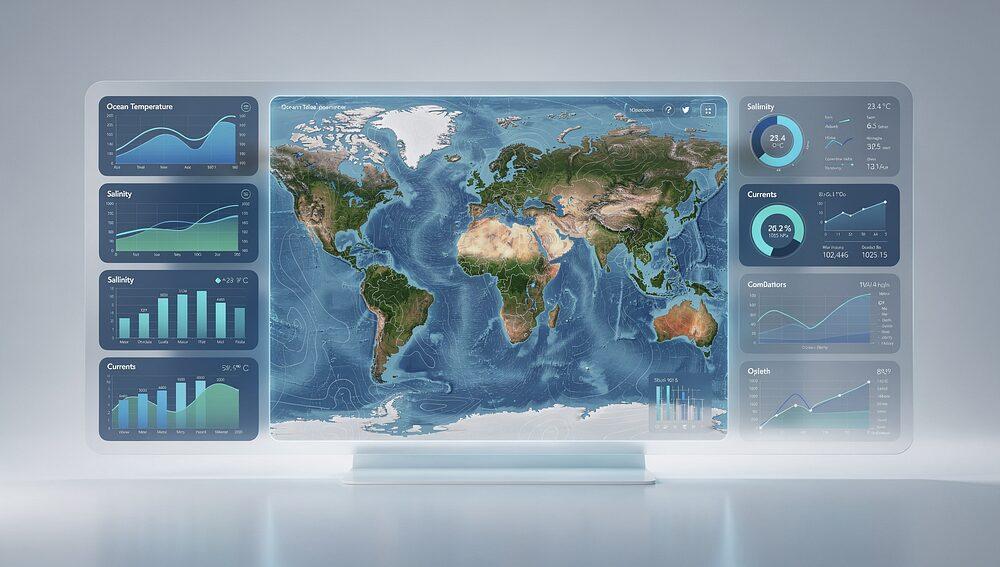
Environmental Intelligence
Marine monitoring and ocean intelligence that deliver actionable environmental awareness.
Why it matters
Why Intelligent Infrastructure Matters
The world’s most critical operations increasingly happen in environments that conventional infrastructure was never designed to handle. Offshore platforms, subsea installations, autonomous maritime systems and polar research stations need infrastructure that can sense, reason and act, with minimal human intervention and without depending on reliable connectivity.
As ocean economies expand and remote operations scale, the cost of operational failure grows. Infrastructure without distributed intelligence becomes a liability. Tekmara closes that gap with systems that combine environmental awareness, edge computing and autonomous operational logic into one deployable stack.
Environments We Address
- Offshore platforms and subsea research stations
- Ocean monitoring and autonomous maritime systems
- Polar and remote research locations
- Disaster response and field operations
- Remote industrial installations
Where it applies
Built for the waters that are hardest to watch
From protected reefs to subsea assets, the same nodes, sensors and autonomous systems support each mission.
Maritime security
Maritime awareness and rapid response, with autonomous systems complementing traditional monitoring.
Marine protected areas
Monitoring protected waters, detecting illegal fishing and tracking vessels to support sanctuary compliance.
Subsea infrastructure
Continuous monitoring of subsea infrastructure, with less reliance on vessel-based operations.
Coral reefs and coastal ecosystems
Observing reefs and coastlines and flagging problems such as pollution sources or falling oxygen levels.
Coastal restoration
Evaluating autonomous drone swarms for monitoring and restoring mangrove and oyster reef habitats.
Climate and biodiversity research
Continuous data for climate and biodiversity research, in place of occasional surveys.